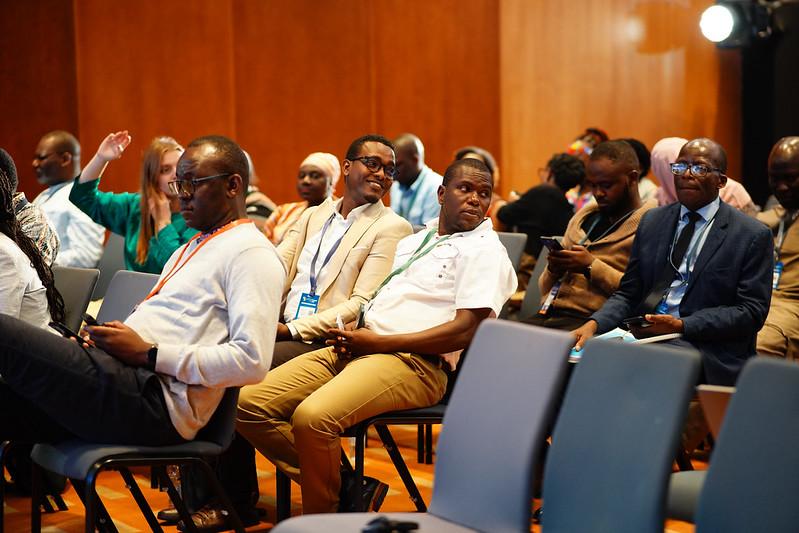
In late September 2024, I had the privilege of attending the Forum on Internet Freedom in Africa, a transformative event in the beautiful city of Dakar, Senegal. Hosted by CIPESA and Africtivistes, this gathering served as a dynamic platform for stakeholders from across the continent to engage in crucial discussions surrounding internet freedom, democracy, and human rights.
Supported by USAID/Civil Society Strengthening Activity, I joined fellow participants in exploring the multifaceted role of internet freedom in shaping democratic processes and enhancing the rights and freedoms of individuals. The forum also delved into the intersection of artificial intelligence (AI) with democratization efforts, as well as the significance of advocacy, thought leadership, and gender mainstreaming in the digital space.

Figure 1: One of the panels that I attended on civic space and internet freedom. The panel was made of three Ugandan panelists and host, this meant Uganda has a key stake in enhancing rights in Africa.
Throughout the event, one of the key themes that stood out was the pressing issue of inclusion in internet usage. Discussions centered on the challenges faced by marginalized groups such as the economically excluded, persons with disabilities, women, and youth in accessing and leveraging the internet effectively. Addressing these barriers is crucial for promoting equitable digital participation and ensuring that all voices are heard in the online arena.
In addition to discussing inclusion, the forum also addressed other critical challenges related to internet freedom, including digital insecurity for both hardware and software, content censorship, and the pervasive issue of online harassment. These conversations underscored the importance of safeguarding digital rights and creating a safe and secure online environment for all users.

While the topics discussed were enriching and the environment conducive to meaningful dialogue, I encountered some logistical challenges during the event. Issues such as poorly organized side events and limited access to translation services highlighted areas for improvement in event coordination. Additionally, adapting to the local cuisine, which was spicier compared to traditional Ugandan dishes, presented a culinary challenge during my stay in Senegal.
Despite these challenges, my time in Senegal was incredibly rewarding. I had the opportunity to connect with prominent organizations and individuals in the civil society sector, leading me to explore potential memberships for my organization with some of the groups I encountered. This networking experience broadened my professional horizons and reinforced my commitment to advancing digital rights and advocacy efforts in my community.
As I reflect on my key takeaways from the forum, one resounding realization is the pivotal role that internet freedom plays in fostering democracy and empowering citizen participation in civic activities. While acknowledging the need for government regulation to protect privacy and foster innovation, it is essential to ensure that such laws do not infringe upon the fundamental rights of individuals.
Senegal, with its rich history, vibrant culture, and warm hospitality, provided the perfect backdrop for this transformative event. The oceanic beauty of Dakar and the thoughtful selection of a seaside hotel by the organizers added to the overall experience of the forum.
In conclusion, the Forum on Internet Freedom in Africa was a meaningful journey of learning, networking, and advocacy. As we navigate the complexities of the digital age, let us remain committed to promoting internet freedom, protecting digital rights, and building a more inclusive and democratic online landscape for all.
The Forum on Internet Freedom in Africa in Senegal was a significant opportunity to engage in critical discussions and networking within the digital rights space. If you are interested in learning more about my experiences at the forum or discussing related topics, feel free to reach out for further dialogue.
 The IK Dispatch
Leave a comment